

Members of the Tynchtyk Bulagy network proposed expanding the role of Public Advisory Councils (PACs) so that they can contribute to preventing not only interethnic conflicts but also tensions related to water scarcity, climate change, land, and other natural resources.
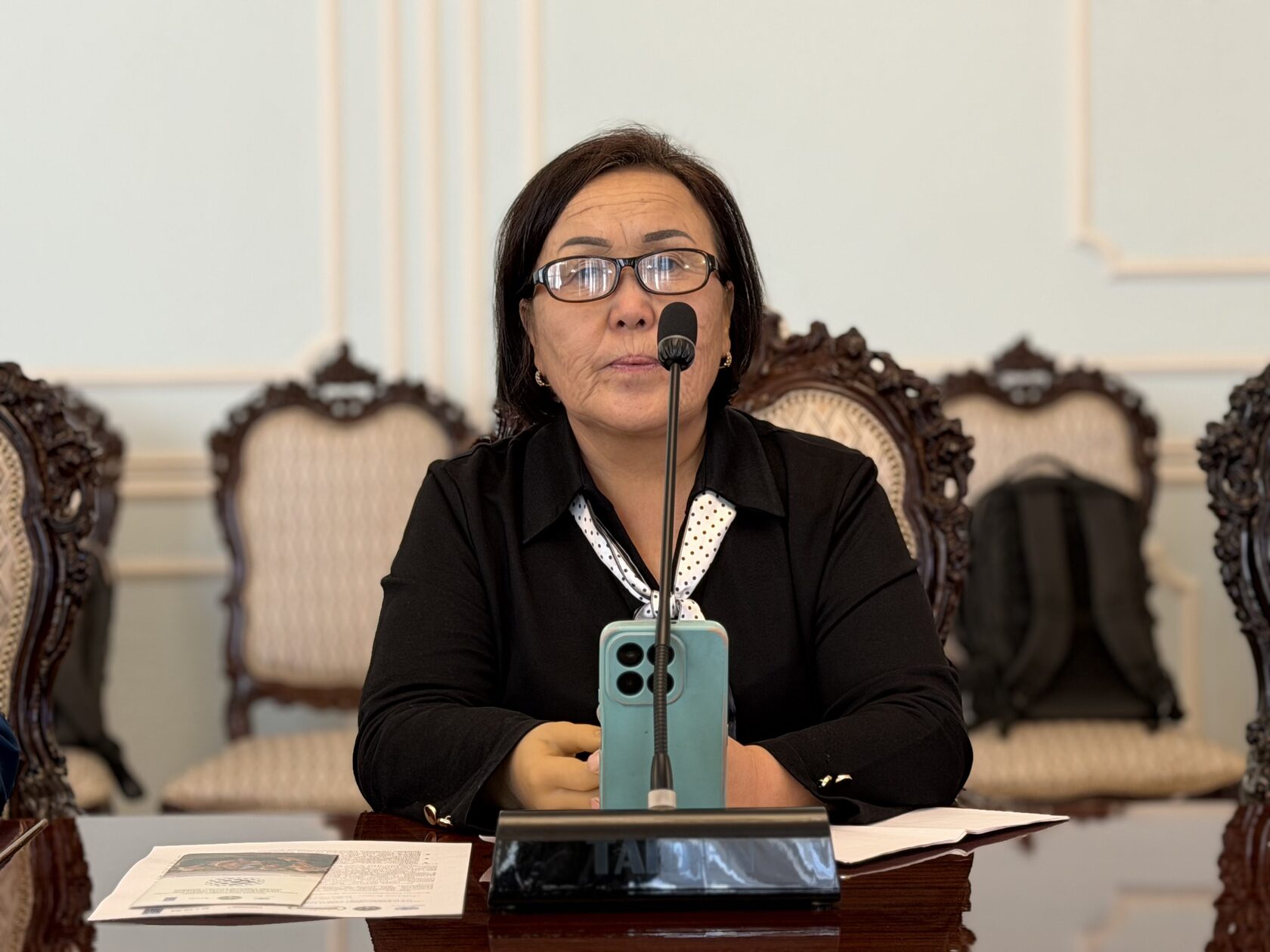
The initiative was presented by Dilbar Ysakova from Madaniyat village, Osh region, during a meeting between rural women and members of the Jogorku Kenesh.
According to Dilbar, for southern Kyrgyzstan, which has experienced a number of conflicts, it is particularly important to identify potential sources of tension before situations escalate. At the same time, emerging risks are not always related solely to interethnic relations.
“A dispute over water can also escalate into a serious conflict, particularly in communities where relations between people are already complicated,” Dilbar Ysakova noted.
Rather than creating a new structure, members of the Tynchtyk Bulagy network propose strengthening cooperation with the existing PACs.
As part of a new network initiative, three local Tynchtyk Bulagy groups in Osh and Batken regions plan to work jointly with PACs and local authorities to identify water-related, climate-related, and conflict risks. At the district level, the women aim to develop a mechanism for information exchange and joint early response to emerging problems before they escalate.
Dilbar Ysakova proposed considering, at the national level, an expansion of the PACs’ mandate to include early prevention of conflicts related to water, climate change, and natural resources, as well as establishing regular cooperation between the councils and local women’s groups.
The proposed approach would make it possible to use the experience and capacity of existing PACs to identify emerging sources of tension at an early stage. Women’s groups would be able to report problems directly from their communities and participate in discussions on possible responses before situations escalate.
If the pilot initiative proves successful, network members propose expanding the approach to other districts.
The National Agency for Religious Affairs and Interethnic Relations under the President of the Kyrgyz Republic was proposed as the relevant government institution to consider the initiative.
“These are entirely feasible proposals”
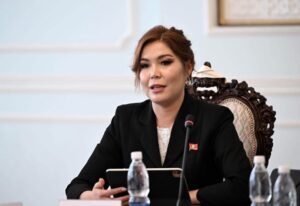
Erkeaiym Seitkazieva, MP of the Kyrgyz Republic
